The Role of Crafts in Art
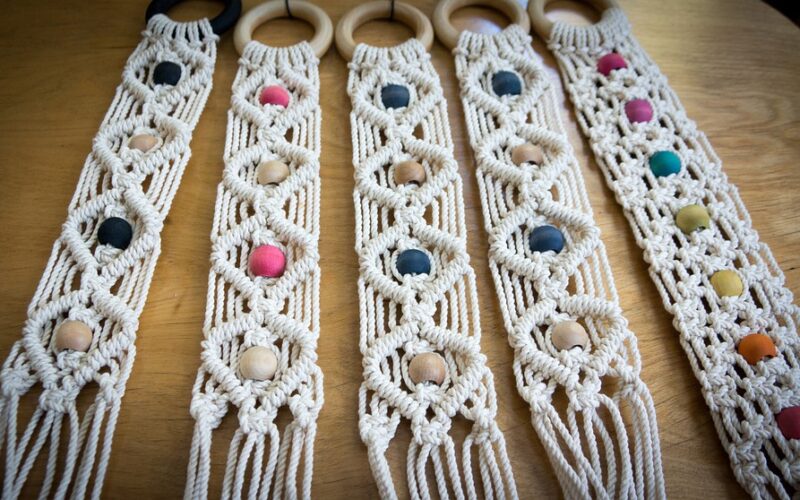
Crafting has always found a way to reach people. From hand-stitched quilts passed down through generations to modern macramé hanging in minimalist flats, making things by hand connects us to something deeply human. Unlike many hobbies, crafting does not demand a particular background, income level, or skill set. It simply asks that you show up and give it a go.
A hobby with no barriers to entry
One of the most compelling things about crafting is how little you need to get started. A ball of yarn and a pair of needles can introduce you to knitting. A few sheets of card and some scissors open the door to paper craft. The materials are often inexpensive, widely available, and adaptable to whatever budget you have. This low barrier to entry means crafting is genuinely open to almost anyone who is curious enough to try.
The mental health benefits of making
Crafting is more than a pleasant way to spend an afternoon. Research has consistently linked creative activities to reduced stress, improved mood, and greater feelings of purpose. The repetitive motions involved in knitting, crochet, or cross-stitch, for example, have been compared to meditation — helping to quiet anxious thoughts and bring the mind into the present moment. For those managing anxiety or depression, having a tangible creative outlet can make a meaningful difference.
Crafting across age groups
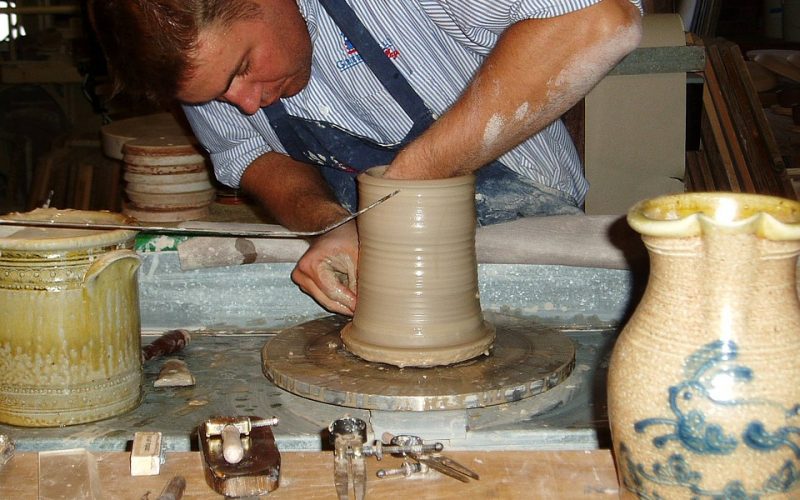
Few hobbies span the generations quite as naturally as crafting does. Children find joy in simple activities like collage or clay modelling, developing fine motor skills and creative confidence along the way. Teenagers are increasingly turning to DIY projects as a form of self-expression, while adults and older people often rediscover the satisfaction of working with their hands later in life. This generational reach makes crafting one of the rare pursuits that genuinely brings people of all ages together.
Community and connection
Crafting has always thrived in community. Local craft circles, online tutorials, and social media groups have created vibrant spaces where makers share ideas, offer encouragement, and celebrate each other's progress. Platforms like YouTube and Instagram have made it easier than ever to learn a new skill or find inspiration, turning what might once have been a solitary hobby into a deeply social one. There is a particular warmth to crafting communities — beginners are welcomed, mistakes are normalised, and creativity is celebrated in all its forms.
Adapting crafting to different abilities
Accessibility in crafting extends beyond cost and age. Many crafts can be adapted to suit a wide range of physical and cognitive abilities. Tools designed for those with limited hand mobility, simplified patterns for beginners, and sensory-friendly materials all ensure that more people can participate. Occupational therapists frequently incorporate craft activities into therapeutic programmes, recognising their value for rehabilitation, cognitive engagement, and emotional wellbeing. The craft community has grown increasingly thoughtful about inclusive design, and that shift is making a real difference.
Starting your crafting journey
Getting started is simpler than it might seem. Choose one activity that sparks your curiosity — whether that is watercolour painting, embroidery, candle making, or something else entirely — and gather only what you need for a basic project. Avoid the temptation to invest heavily before you know what you enjoy. Watch a beginner tutorial, follow a simple pattern, and allow yourself the freedom to make mistakes. Crafting rewards patience and practice, but most of all, it rewards showing up. Whatever your circumstances, there is almost certainly a craft that fits your life — and the benefits of finding it are well worth the effort.