Crewel Artistry
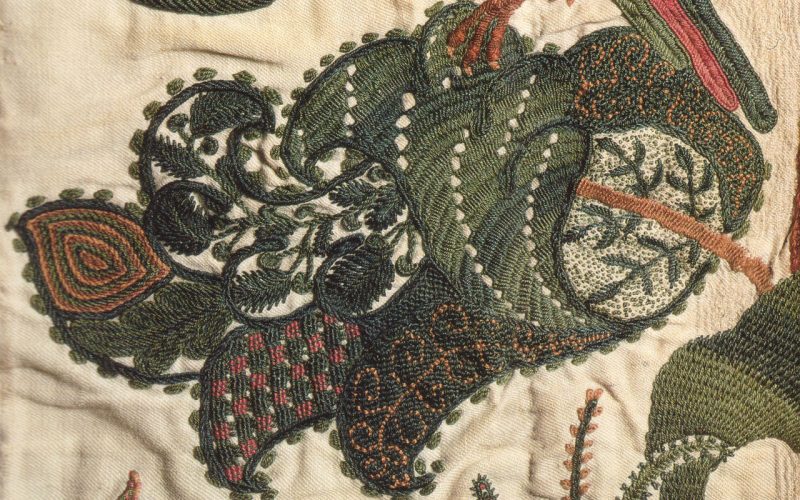
Crewel artistry is one of the oldest and most expressive forms of textile embroidery in existence. Using wool thread stitched onto a woven fabric — typically linen or cotton — it produces richly textured designs that range from delicate floral motifs to elaborate mythological scenes. Unlike cross-stitch or needlepoint, crewel work is defined by its use of wool and the remarkable freedom it gives the artist to blend stitches, colours, and textures in endlessly creative ways.
A craft with deep historical roots
The origins of crewel embroidery stretch back over a thousand years. The Bayeux Tapestry, stitched in the 11th century, is among the most famous early examples of the craft — though it is, in fact, an embroidery rather than a true tapestry. Crewel work flourished particularly during the 17th century in England, where it adorned bed hangings, curtains, and clothing with bold, stylised designs inspired by Indian chintz fabrics. Jacobean crewel work, as this style became known, remains one of the most recognisable and beloved forms of the craft today.
The tools and materials you need
Getting started with crewel artistry requires relatively modest equipment. At its core, you will need crewel wool — a two-ply wool thread available in a vast range of colours — along with a sharp crewel needle, an embroidery hoop or frame, and your chosen ground fabric. Linen twill is the traditional choice, prized for its durability and smooth weave, though many contemporary artists experiment with linen-cotton blends. A well-lit workspace and a transfer pen or tracing paper for transferring your design are also helpful additions to your kit.
Understanding the key stitches
Crewel embroidery encompasses a wide variety of stitches, each producing a distinct texture and visual effect. Beginners typically start with the stem stitch, outline stitch, and satin stitch, which together provide a solid foundation for filling shapes and defining edges. As confidence grows, stitches such as the long-and-short stitch, chain stitch, and laid work open up greater possibilities for shading, dimension, and decorative detail. The interplay between these techniques is what gives crewel work its characteristic depth and tactile richness.
Colour and composition in crewel work
One of the most captivating aspects of crewel artistry is its approach to colour. Unlike many other embroidery styles, crewel work embraces rich, layered palettes — deep indigos beside warm ochres, soft sage greens threading through dusky pinks. Shading is achieved by blending threads of varying tones within a single shape, a technique that rewards patience and careful observation. When planning a composition, many artists recommend working from reference images of nature, as the organic curves of leaves, flowers, and branches translate beautifully into the fluid language of crewel stitches.
Crewel artistry in the modern age
Far from fading into obscurity, crewel embroidery is experiencing a genuine resurgence. A growing community of makers — many of them younger artists — are reviving the craft whilst bringing fresh, contemporary perspectives to both design and colour. Social media platforms have played a significant role in this revival, with artists sharing their work and tutorials with audiences across the globe. Today, crewel artistry sits comfortably at the intersection of heritage craft and modern creative practice, appealing to those who value slow, mindful making as much as the finished object.
Starting your own crewel journey
The best way to learn crewel embroidery is simply to begin. Starter kits containing pre-printed fabric, wool, and a needle are widely available and offer an accessible entry point for complete beginners. From there, books, online courses, and local embroidery guilds can help you develop your skills and connect with fellow enthusiasts. Whether your goal is to create a framed piece for your home, embellish a garment, or simply enjoy an absorbing creative hobby, crewel artistry offers a deeply rewarding craft — one stitch at a time.