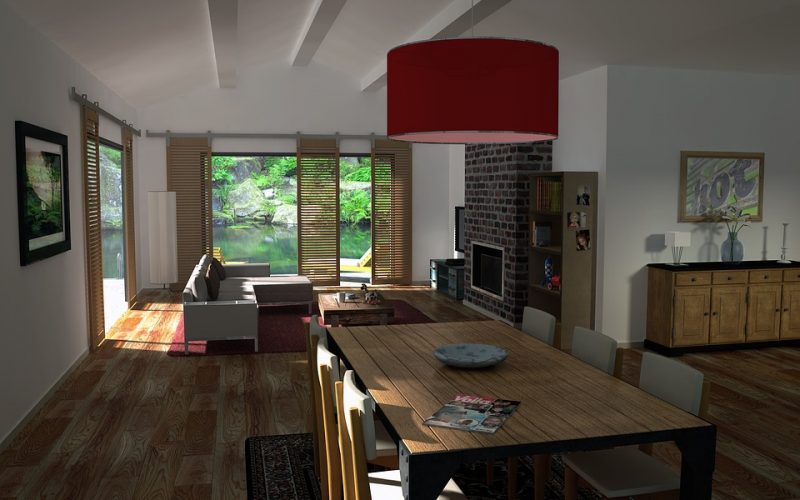
The Art of Making a Home
A house becomes a home not through grand renovations or expensive furniture, but through the quiet accumulation of personal touches that make a space feel distinctly yours. It is a process that takes time, intention, and a willingness to prioritise comfort over perfection. The good news? You do not need a limitless budget or an interior designer on speed dial to get it right.
Start with what you feel, not what you see
Most people approach decorating visually — scrolling through Pinterest boards, bookmarking aesthetics, chasing trends. But a truly homely space begins with how you want to feel when you walk through the door. Relaxed? Energised? Cosy? Letting that emotional goal guide your decisions will naturally lead to more cohesive, personal choices. A room designed around a feeling tends to outlast one designed around a trend.
Layer your lighting
Lighting is one of the most underestimated tools in creating atmosphere. Harsh overhead lights can make even the most beautifully furnished room feel clinical and cold. Instead, aim for layers — a floor lamp in the corner, a warm table lamp beside the sofa, perhaps a few candles for evenings. Soft, warm-toned light (around 2700K) is especially effective at creating that enveloping, lived-in quality that makes a space feel welcoming rather than sterile.
Bring the outside in
There is something grounding about having living things in a home. Houseplants, a vase of seasonal flowers, or even a bowl of fresh fruit can shift the energy of a room entirely. Beyond aesthetics, plants have been shown to improve air quality and reduce stress. You do not need a green thumb to start — hardy varieties like pothos, snake plants, and peace lilies thrive with minimal care and make an immediate visual impact.
Make room for memory
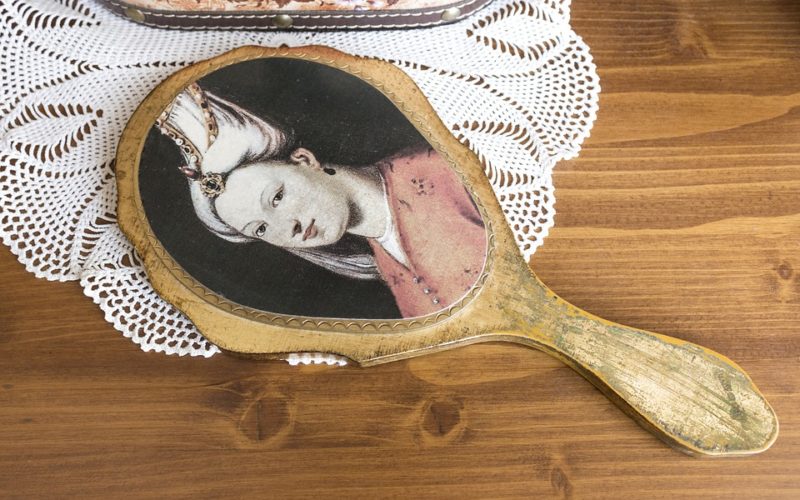
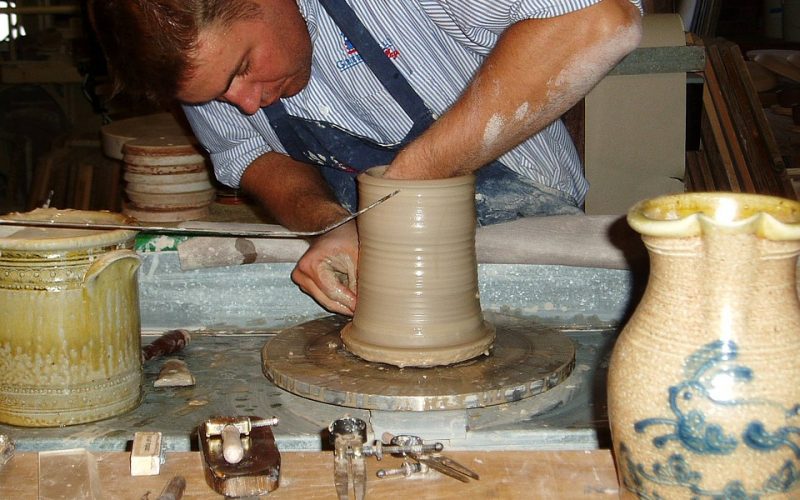
Generic décor has its place, but the objects that truly make a home feel personal are the ones with stories attached. A photograph from a memorable trip, a piece of pottery picked up at a local market, a worn paperback on the coffee table — these small details communicate that someone actually lives here. Resist the urge to display things purely because they look good. The items you love and use tend to be the ones that create the most warmth.
Embrace texture and softness
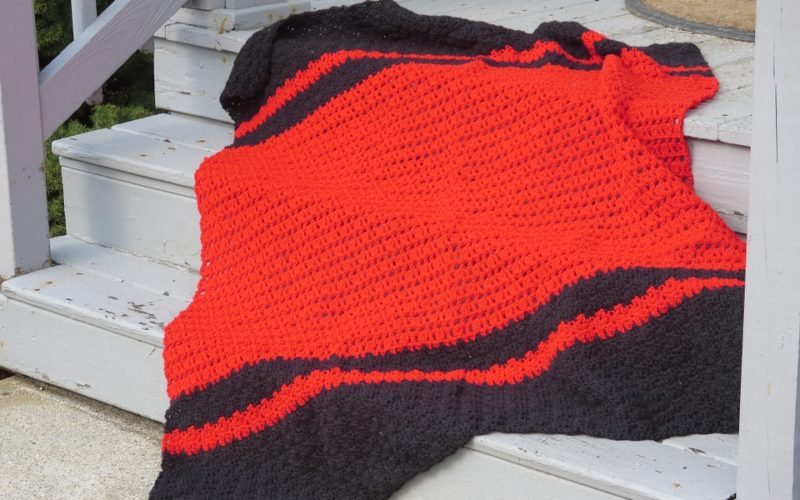
Hard surfaces — tiles, glass, bare walls — are practical but rarely comforting on their own. Introducing texture through soft furnishings is one of the quickest ways to make a space feel more inviting. Think woven throws draped over a chair, a thick rug underfoot, linen cushions piled onto a sofa. These elements add visual depth as well as physical warmth, encouraging people to settle in rather than pass through.
Edit rather than accumulate
Homely does not mean cluttered. In fact, a space filled with too many competing objects can feel overwhelming rather than welcoming. The key is to edit thoughtfully — keeping only what genuinely adds comfort, beauty, or meaning, and finding a considered place for each item. A well-edited room breathes. It gives the eye somewhere to rest and allows the pieces you truly love to be seen and appreciated.
Making a home homely is less about following rules and more about building a space that reflects who you are. Start small, be patient, and trust that the right touches — however modest — will accumulate into something that feels unmistakably like yours.